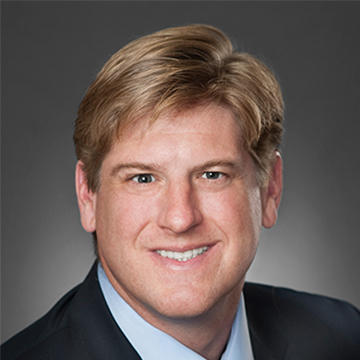
By Brad Stark, MS, CFP®
Co-Founder and Chief Compliance Officer
Both venture capitalists and vulture capitalists are investors, but they focus on different types of investments. Let’s pick both of them apart and you make the judgment on what they do and how they impact society.
When people own a business and they need additional money for expansion, research and development, marketing, production, and more, where do they turn to for funds? The “cheapest” money is personal savings. The next cheapest is usually family and friends. Then you turn to the bank. If you can’t satisfy your need in those areas, then you look to outside “investors” normally referred to as "venture capitalists" (VCs). There is one more group after this to borrow money from - but they tend to have collection terms based upon lead pipe cruelty.
When someone needs VC money, they typically shop it out for the best deal they can get. The VC firms review volumes of deals and decide if they are willing to take the risks associated with the business. When they have interest, they typically lend money or buy stock (just like you do with any investment you make).
Since most of these investments are in troubled companies or start ups, they normally assume extraordinary risks, thus requiring large expected returns. Why are the risks so high? Because if they were not, the bank would gladly loan the money at cheap rates. Or if the business is large enough, money could be raised on public stock exchanges.
VCs typically provide money to businesses that have a great idea but not enough money to take it to market. An example would be a new cancer drug theory or a new technology that will take millions to perfect. Or they invest in established companies that ran out of funds and need additional financing to get to the next level or to get themselves through a tough time (i.e., construction project that ran out of funds).
The U.S. government acted this way with the TARP program. They infused billions into financial and auto companies; for the money invested, they charged a preferred high interest rate to be paid on the loan or assumed stock ownership.
During the crisis, Warren Buffett did the same thing by infusing billions into General Electric and others in return for preferred rates of return. He had money at a time when others needed it - and the banks would not or could not lend - so these companies asked his firm to take a risk. His firm decided to do so but required a rate of return that was commensurate with the risks taken. That is venture capitalism. Sounds more to me like investing, but call it what you will.
Vulture capitalism can be defined in many different ways. Today you can buy “vulture funds,” which generally have the sole purpose of buying distressed assets. “Distressed” refers to companies or property in trouble, mismanaged, dying and heading toward bankruptcy. The “vulture” fund believes they see some “meat on the bone” and may get involved when all others have passed. They will either try to turn the asset around or liquidate it before it goes into the inevitable bankruptcy process.
The “vulture” term pertains to an offer that is very low. But you don’t have to take it, right? You could sell it to someone else ... but usually there are no other takers. Some see this as predatory, while others view it that offering something is better than nothing.
People who buy foreclosed homes, short sales and underwater real estate, fall into this vulture category as well. The current owners can’t financially maintain the asset, there are no buyers at higher prices and they can’t obtain funds elsewhere. The “vultures” come in for a deal. But is it a deal? Time will only tell and since the owner could not obtain a higher price, the market is telling you something.
Santa Barbara has a technology history full of venture capitalism. Good ideas may need millions of dollars and time to prove and build. Who knows if it will work or people will buy the product down the road. VCs are willing to take this risk. From experience, many of these startups fail. Some, however, become major home runs.
Most venture firms invest in dozens of businesses understanding that some will fail and that they will potentially lose most if not all the money invested. For the large risks assumed, they typically require a sizeable equity piece or control triggers in the business so that if things start to go downhill they can come in with new management and either turn it around, liquidate it or sell it to someone else.
Previously published in the Daily Sound.
About Mission Wealth
Mission Wealth’s vision is to provide caring advice that empowers families to achieve their dreams. The founders were pioneers in the industry when they embraced the client-first principles of objective advice, comprehensive financial planning, coordination with other professional advisers and proactive service.
Mission Wealth does not sell any internal products; therefore, the firm’s recommendations are solely in the client’s best interests. Mission Wealth’s holistic planning process helps clients enjoy greater peace of mind.